
Learning Scenarios
Learn about our Environmental Activities
Environmental scenarios is a set of activities/learning scenarios that are engaging, immersive and close to real life applications and will enhance students’ environmental responsibility and activism.
These scenarios represent student-focused activities with flexible structure that aim at actively engaging students to learn by doing.
The scenarios will include activities for outside and inside the classrooms and will be filtered according to 7 different topics, duration, age group, number of students participating and the age group. Overall, 70 learning scenarios are presented.
Experiential learning can be achieved inside and outside the classroom, in laboratories or in a natural environment.
Some experiential methods may include: field visits, role playing, games, debates etc.
Each activity is designed to contribute to specific learning outcomes and encompass equal opportunities for environmental activism, subject acquisition, and skill development.
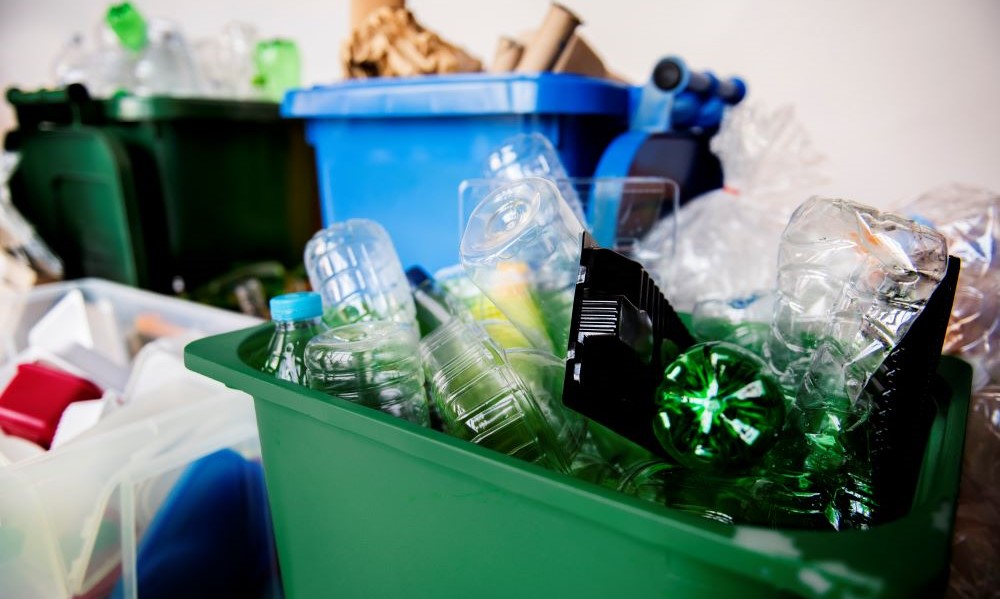
Introduction to Waste Management
IntroductionBegin by explaining the importance of waste management in preserving the environment and reducing ecological impact.Highlight how responsible waste management can lead to a cleaner and healthier planet.ObjectivesUnderstand the significance of waste management and its role inenvironmental conservation.Identify various types of waste and recognize their potential impact on the ecosystem.Analyse […]
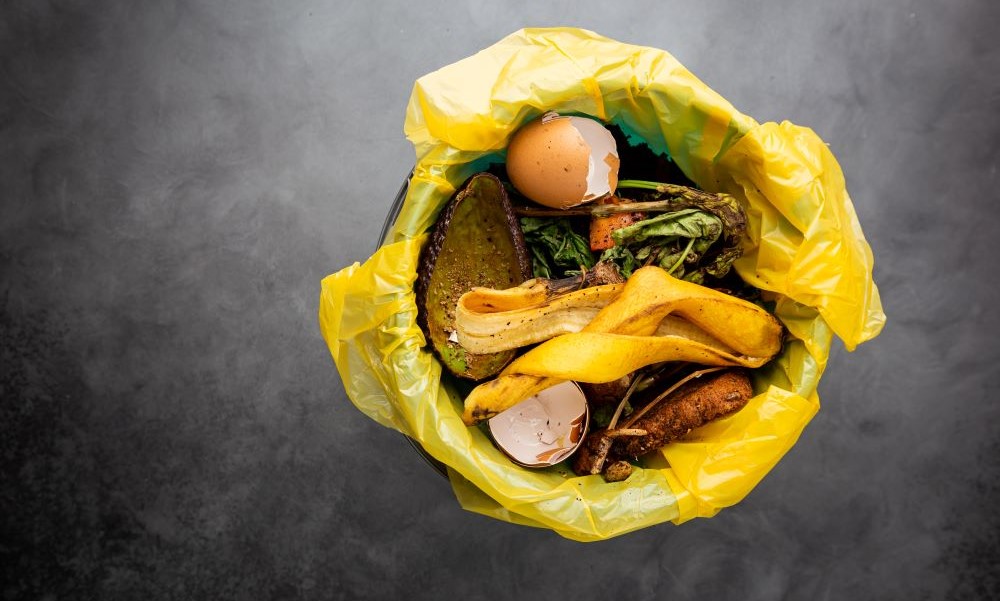
Composting and Organic Waste
IntroductionBegin by discussing the importance of composting and its positive impact on the environment.Highlight the benefits of reducing organic waste through composting.ObjectivesBy integrating Kolb’s experiential learning cycle, this lesson plan aims to foster a comprehensive understanding of composting. It encourages active participation, reflection, theoretical exploration, and practical application, enhancing students […]
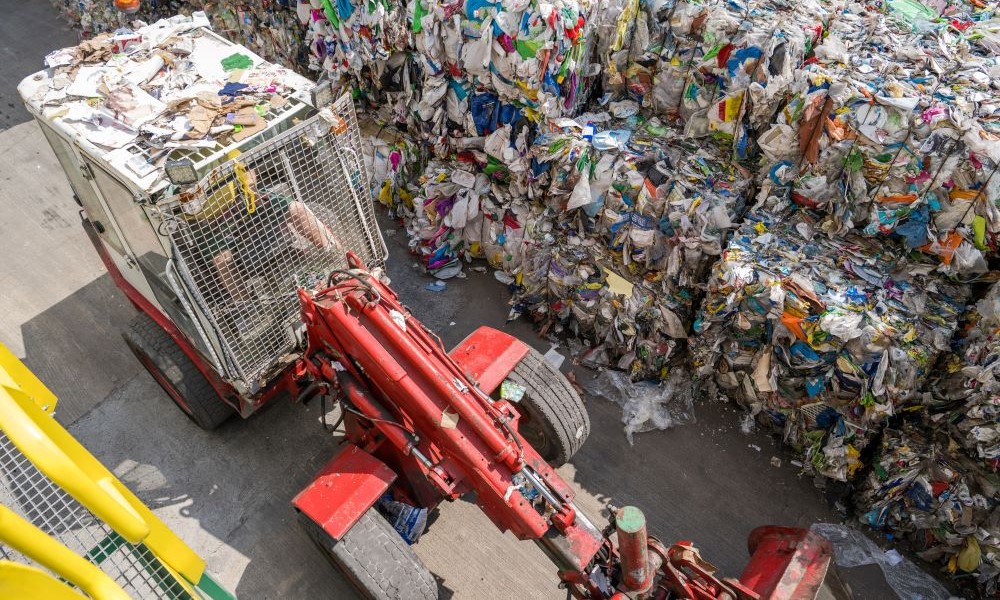
Waste Management and Recycling with Kolb’s Experiential Learning Cycle
Introduction Begin by discussing the environmental consequences of improper waste disposal and the importance of recycling and reusing. Engage students in a group discussion about their perceptions and habits related to waste management. Icebreakers1. Two truth and a lieHaveeach student share two true statements an done false statement about themselves […]

Plastic Pollution and Recycling
IntroductionBegin by highlighting the urgent issue of plastic pollution and its detrimental effects on ecosystems and human health. Emphasize the significance of recycling plastics to mitigate this problem.ObjectivesIncrease students’ understanding of plastic pollution and its negativeimpact on the environmentEmphasize the significance of recycling plastics and reducing plasticusage to combat plastic […]

Exploring Upcycling and Creative Reuse through Kolb’s Experiential Learning Cycle
IntroductionIntroduce the concept of upcycling and creative reuse, explaining their environmental and creative benefits. Highlight the importance of hands-on experience and active learning using Kolb’s cycle.ObjectivesUnderstand the concepts of upcycling and creative reuse.Apply Kolb’s Experiential Learning Cycle to engage in a hands-on upcycling project.Enhance critical thinking, creativity, and problem-solvingskills.Learning outcomesBy […]

