
Learning Scenarios
Learn about our Environmental Activities
Environmental scenarios is a set of activities/learning scenarios that are engaging, immersive and close to real life applications and will enhance students’ environmental responsibility and activism.
These scenarios represent student-focused activities with flexible structure that aim at actively engaging students to learn by doing.
The scenarios will include activities for outside and inside the classrooms and will be filtered according to 7 different topics, duration, age group, number of students participating and the age group. Overall, 70 learning scenarios are presented.
Experiential learning can be achieved inside and outside the classroom, in laboratories or in a natural environment.
Some experiential methods may include: field visits, role playing, games, debates etc.
Each activity is designed to contribute to specific learning outcomes and encompass equal opportunities for environmental activism, subject acquisition, and skill development.
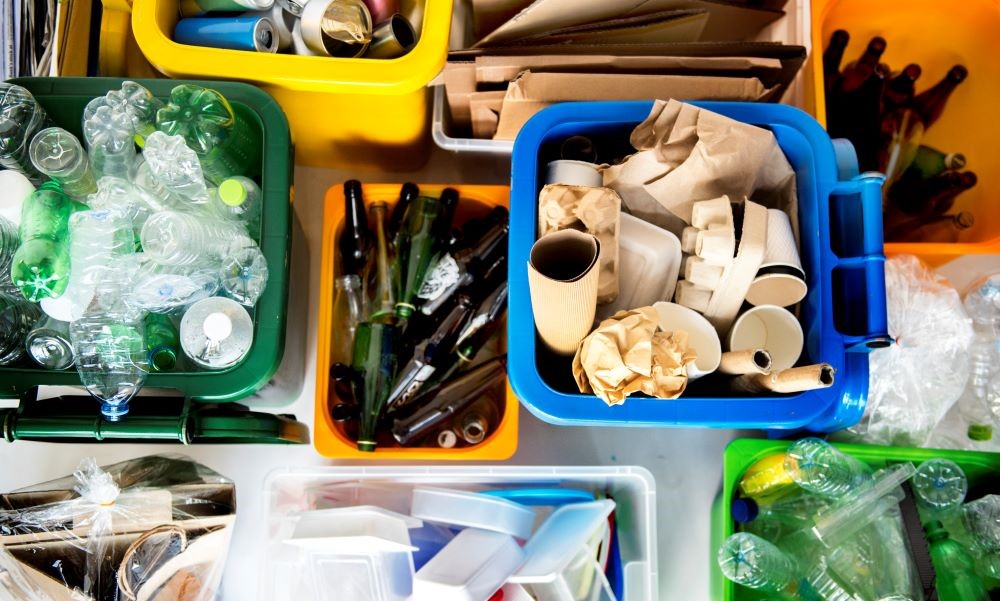
Waste Audit and Data Collection
IntroductionBegin by discussing the concept of waste audits and how they contribute to understanding waste patterns. Highlight the significance of waste reduction for a healthier environment.ObjectivesUnderstand the importance of waste audits inidentifying waste patterns and promotingsustainable practices.Develop data collection and analysis skills.Enhance awareness of environmental impact andwaste reduction strategies.Learning outcomesBy […]
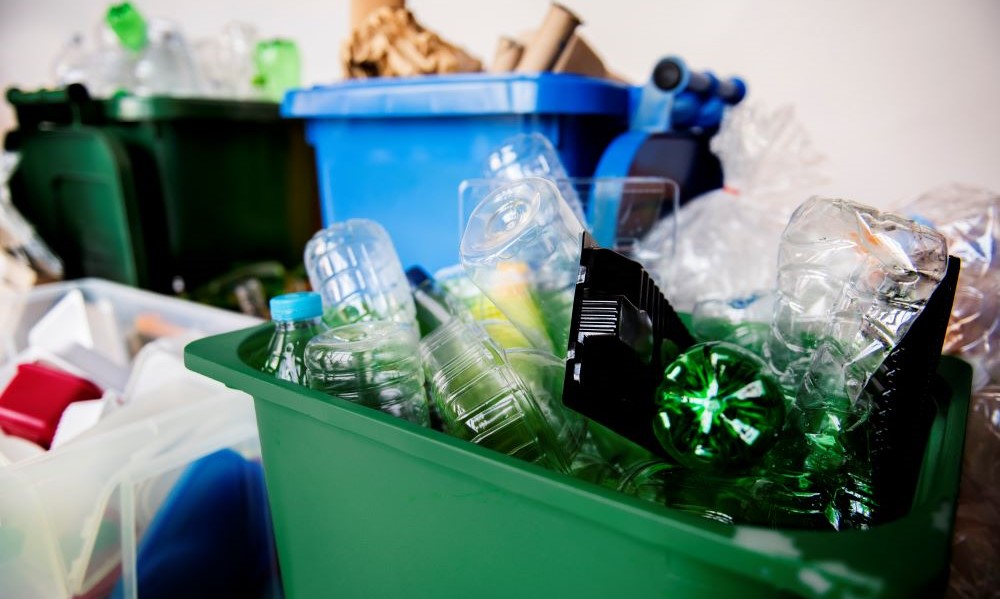
E-waste and Responsible Disposal
IntroductionIntroduce the concept of electronic waste (e-waste) and its environmental implications. Explain the importance of responsible disposal to reduce harm to the environment.ObjectivesTo raise awareness about e-waste and its environmentalimpact, while educating students on responsible disposal methods.Learning outcomesBy the end of this learning scenario, students will be able to:Understand the […]
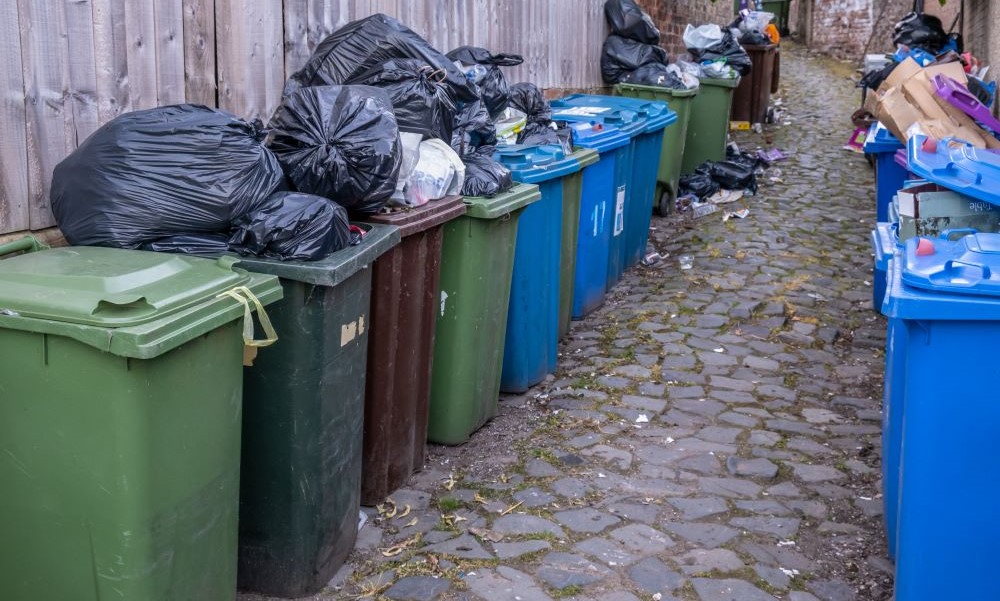
Waste Reduction Campaign – Kolb’s Four Steps Cycle
IntroductionStart by discussing the global issue of waste generation and its impact on the environment. Highlight the role of campaigns in raising awareness and inspiring action.ObjectivesUnderstand the significance of waste reduction andits impact on the environment.Apply Kolb’s experiential learning cycle to plan andexecute a waste reduction campaign.Develop effective communication and […]

Environmental Footprint and Consumer Choices
Introduction Begin by explaining the concept of an environmental footprint – the total impact of human activities on the environment. Discuss how consumer choices contribute to waste and environmental degradation. State the learning objectives and outcomes for the lesson. Objectives Understand the significance of waste reduction and itsimpact on the […]

Sustainability and Long-Term Solutions
IntroductionBegin the lesson by introducing the concept of sustainability and its relevance to waste management. Highlight the long-term benefits of sustainable practices for the environment and future generations.ObjectivesTo educate students about sustainability andempower them to create a sustainable action planfor their school or community, using Kolb’s four stepscycle of learning.Learning […]

