
Learning Scenarios
Learn about our Environmental Activities
Environmental scenarios is a set of activities/learning scenarios that are engaging, immersive and close to real life applications and will enhance students’ environmental responsibility and activism.
These scenarios represent student-focused activities with flexible structure that aim at actively engaging students to learn by doing.
The scenarios will include activities for outside and inside the classrooms and will be filtered according to 7 different topics, duration, age group, number of students participating and the age group. Overall, 70 learning scenarios are presented.
Experiential learning can be achieved inside and outside the classroom, in laboratories or in a natural environment.
Some experiential methods may include: field visits, role playing, games, debates etc.
Each activity is designed to contribute to specific learning outcomes and encompass equal opportunities for environmental activism, subject acquisition, and skill development.
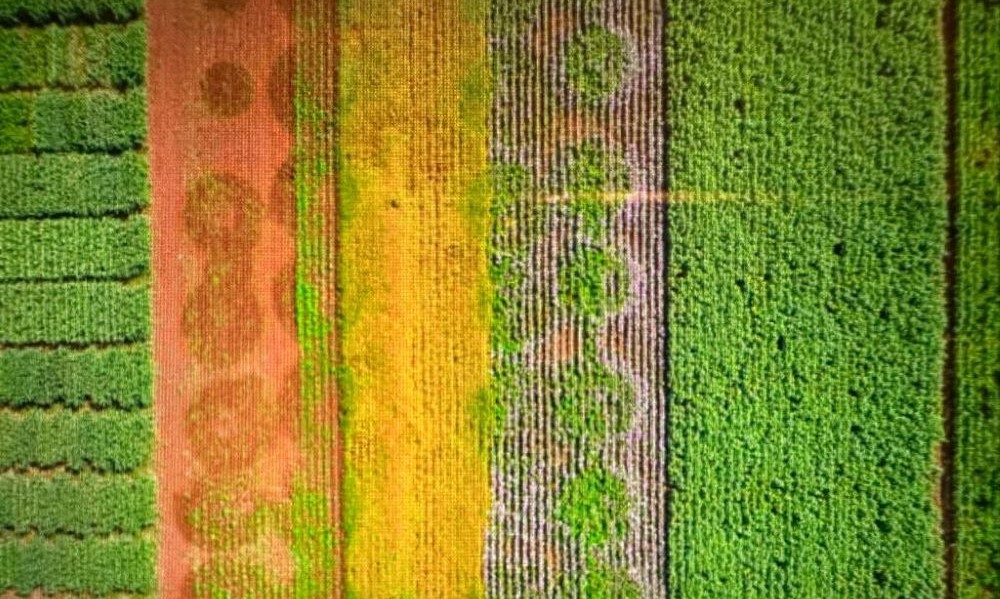
Seeds of Change: Nurturing Sustainable Solutions in the Food Chain Challenge
Introduction”Seeds of Change: Nurturing Sustainable Solutions in the Food Chain Challenge” is an experiential journey into the world of sustainable agriculture and food security. In this activity, participants will embark on a dynamic exploration of the intricate web that connects our food from farm to table. This initiative not only […]

Introduction to self or local production of food: yogurt and cheese
IntroductionScientific studies demonstrate how the production of meat and milk is one of the major causes of the increase in greenhouse gases in the atmosphere and generates pollution, overproduction and waste. The aim of the module is not to completely discourage the use of these products but to improve awareness […]

Self or local production of food: mushrooms and edible plants
IntroductionScientific studies demonstrate how industrial agriculture is one of the major causes of the increase in greenhouse gases in the atmosphere and generates pollution, overproduction and waste. The aim of the module is not to completely discourage the use of industrial agriculture (we know that is impossible) but to improve […]

Self or local production of food: local bread and cakes
IntroductionScientific studies demonstrate how industrial agriculture is one of the major causes of the increase in greenhouse gases in the atmosphere and generates pollution, overproduction and waste. The aim of the module is not to completely discourage the use of industrial agriculture (we know that is impossible) but to improve […]

Sustainable agriculture practices for a healthy globe
IntroductionThis activity helps the students to understand the importance of sustainable agriculture practices It shows the concepts of the interconnectedness of our actions and choices and the environmental health of our planetObjectivesSustainable agriculture is farming to meet society’s current food needs without compromising the ability of future generations to meet […]

